Welcome to the ADAMS Study

Help researchers understand how genetics affects the risk of Multiple Sclerosis in people from diverse backgrounds.

Join the Study People linking arms

Who can take part?

If you have Multiple Sclerosis, live in the UK, and identify as Black, South Asian, Ashkenazi Jewish, or from another diverse ethnic background, we would love for you to take part.

Take Part in the Study

Watch: Why this research matters

What does participation involve?

Sign up online and send us a saliva sample by post.
No needles. No scans.

Sign Up to the ADAMS Study

Learn more about the saliva test

News, Blogs & Articles

  • The first big set of results from the study are now published in Neurology: you can read the paper here.
  • We published a paper showing that non-genetic risk factors for MS such as smoking and obesity during early adulthood are important across all ethnic backgrounds. ethnic backgrounds.
  • We studied how well genetic risk scores predict MS in people with South Asian ancestry. Read the paper or watch the explainer video.
  • We wrote a blog about the ADAMS study for the MS Society. Read it here.
  • We took part in a webinar hosted by AsianMS. Watch it here.
  • We’ve partnered with the UK MS Register. If you're already participating in their research, you can join ADAMS via your account. Find out more.
  • Our team wrote a perspective article for Nature Reviews Neurology about the lack of diversity in MS genetics research and why this must change. Read it here.
  • Michelle from the steering group and Ben wrote a blog for the MS Trust about genetics and MS. Read it here.
  • Roxy from the steering group hosted an Instagram Live discussion about the study with Ben. Watch it here.
  • Ben wrote a blog for the MS Research Blog about improving representation in MS genetics research. Read it here.
  • Ben discussed the ADAMS study with MSguide.com. Watch the interview.
  • Ben spoke with Roxy Murray on the “Sick and Sickening” podcast about MS genetics and ancestry. Watch the interview or read the transcript.
  • The MS Society has written a summary of the project. Read it here.
  • Ruth and Ben wrote about ethnicity and MS for the journal Advances in Clinical Neuroscience and Rehabilitation. Read the article.
  • Stay up to date by following us on Twitter or subscribing to our newsletter.
WHO ARE WE?
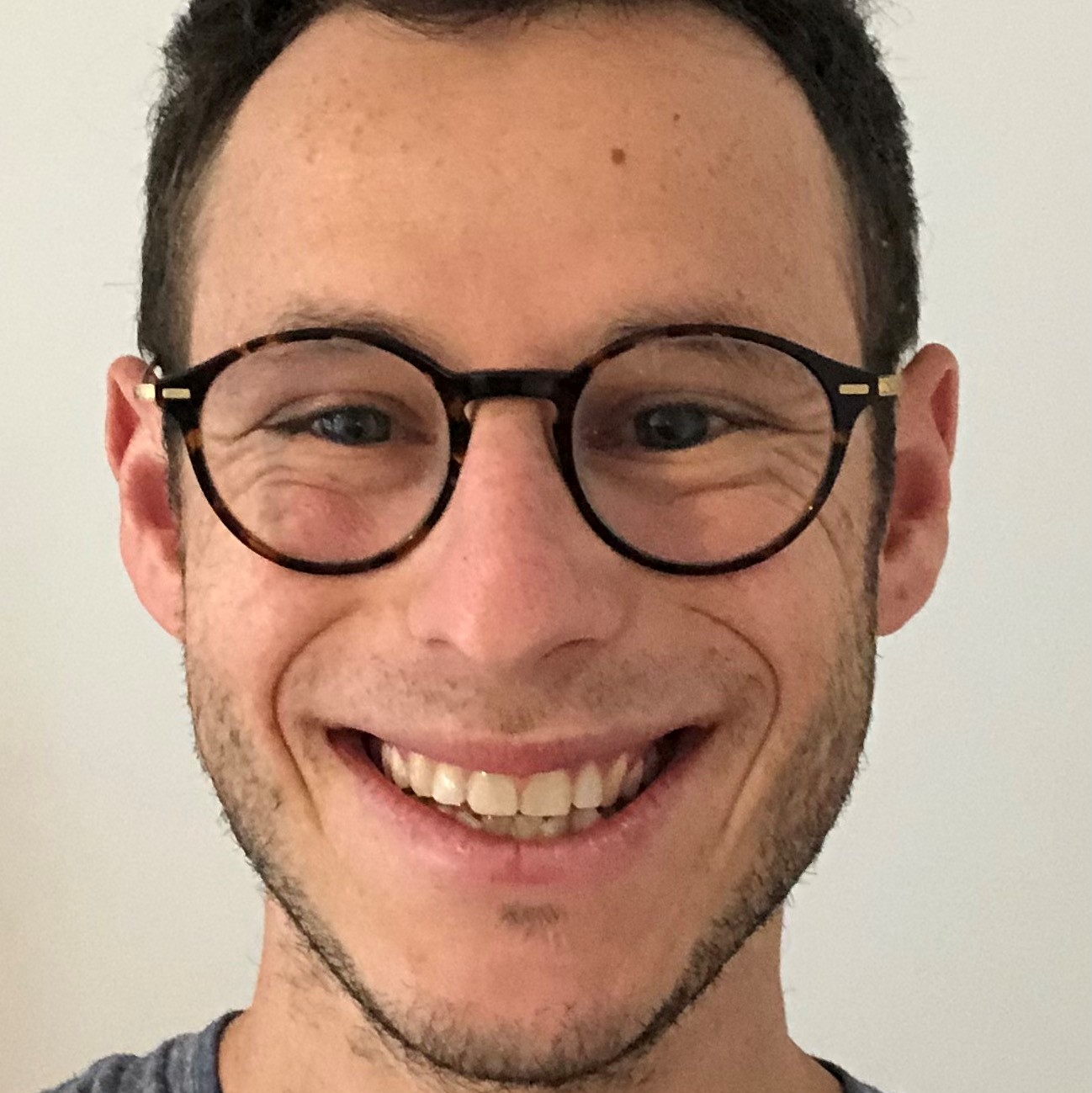
Ben Jacobs
Ben Jacobs
Ben is a neurology registrar and an MRC-funded PhD student. He is running the ADAMS study. His main research interest is understanding how genetics and environmental factors influence why people get MS.
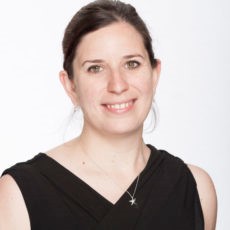
Ruth Dobson
Ruth Dobson
Ruth is a Clinical Senior Lecturer at the Preventive Neurology Unit, QMUL and a Consultant Neurologist at Barts Health NHS Trust. One of her research interests is in the factors that influence pathways to MS development, with particular reference to those that can potentially be modified. She is a co-chief investigator on the study.
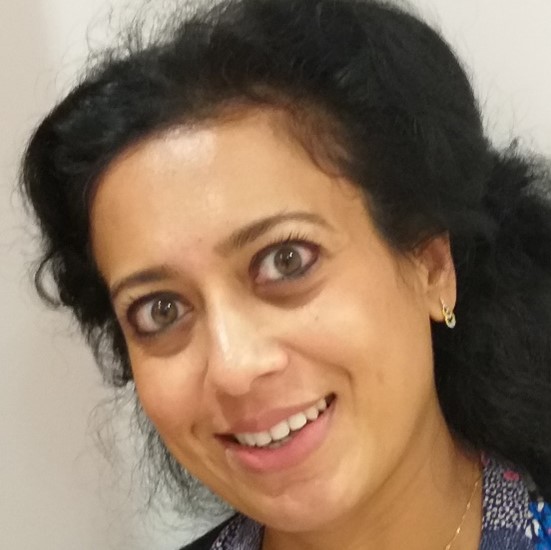
Rashmi Kaimal
Rashmi Kaimal
Rashmi is part of the ADAMS study steering group. She is Indian and was diagnosed with MS in 1997. She is contributing to the overall running of the project and is interested in sharing her experience of living with MS.
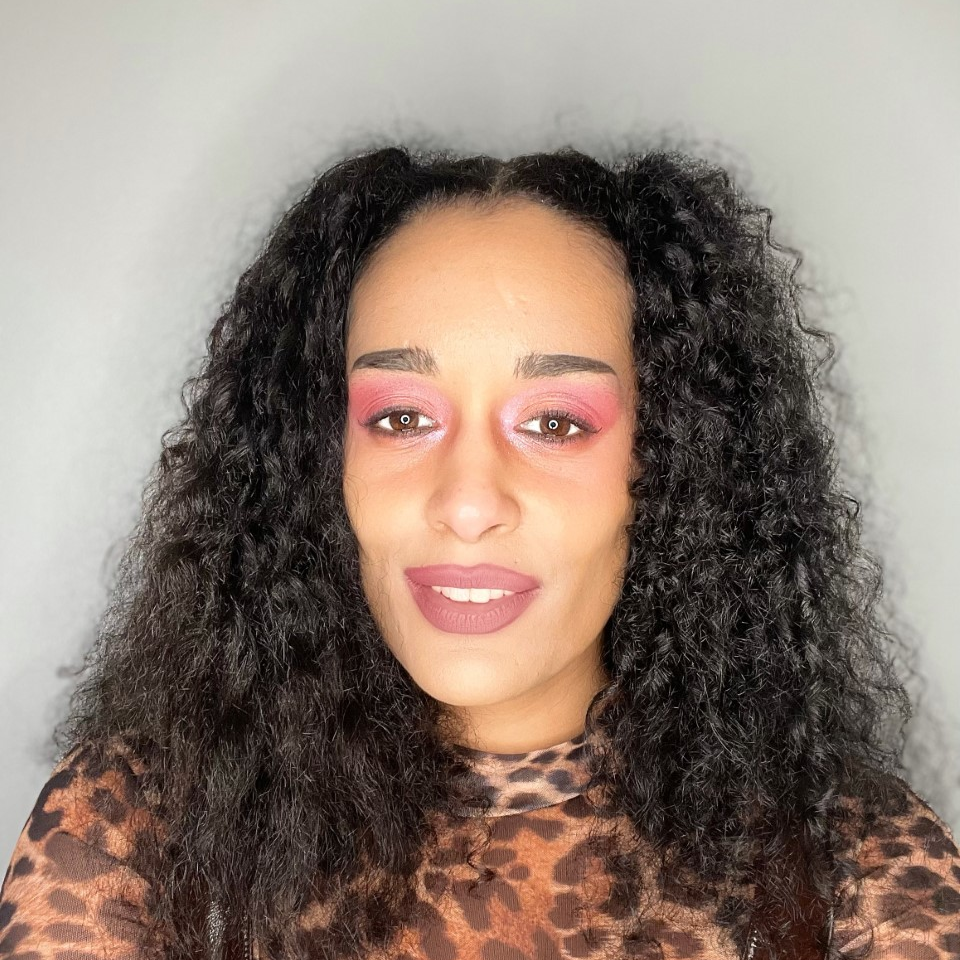
Roxy Murray
Roxy Murray
Roxy is an MS and disability advocate. She is part of the ADAMS study steering group. She hosts a disability and MS-focussed podcast with a worldwide following. She is helping to co-ordinate the way we talk about the study, communicate results, and engage with the MS community.
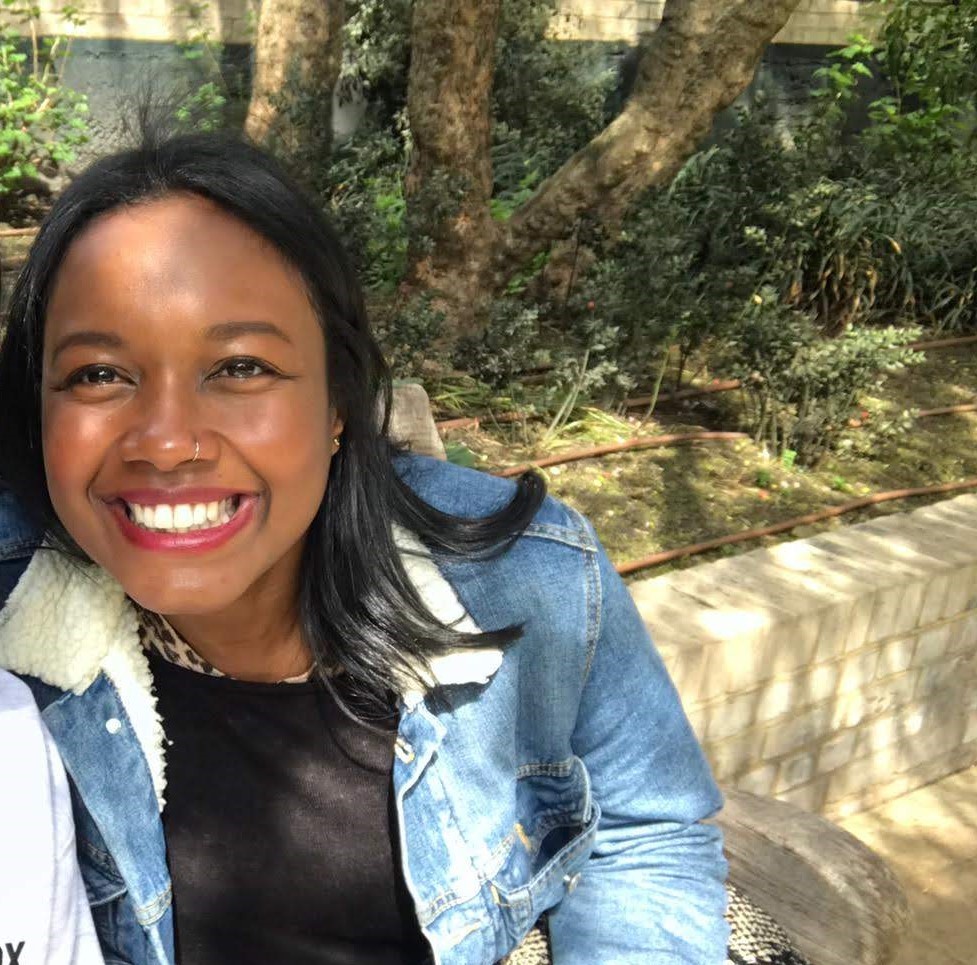
Michelle Lowe
Michelle Lowe
Michelle is part of the ADAMS study steering group. She was diagnosed with MS in 2019 and is a mum to two young boys who keep her on her toes! She is a researcher with an interest in ensuring equity of access to mainstream genomic services so is keen to help make sure communication about the ADAMS study is inclusive to people from diverse backgrounds who are living with MS.
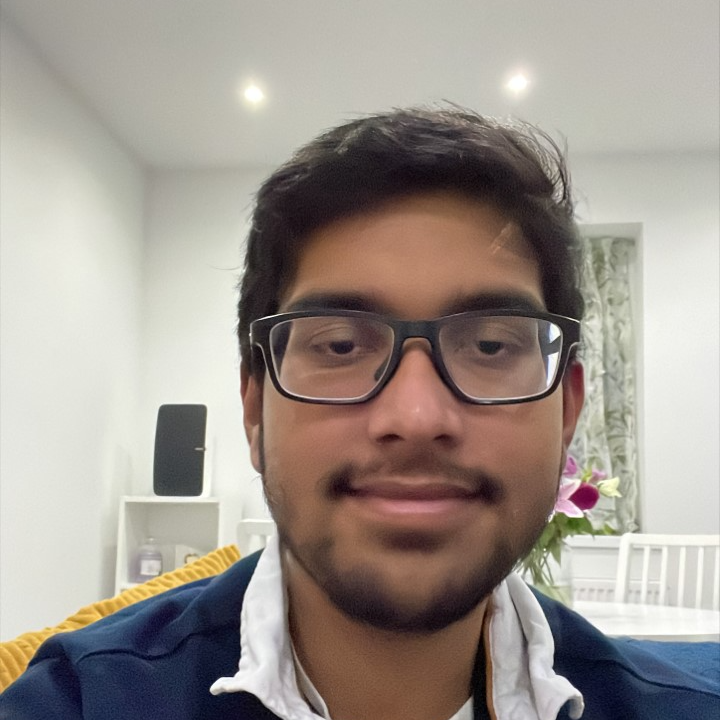
Sadid Hoque
Sadid Hoque
Sadid is a medical student at Bart’s and The London and is part of the ADAMS study steering group. He was diagnosed with MS at 16. He is passionate about sharing his experiences, especially as a medical student with MS.
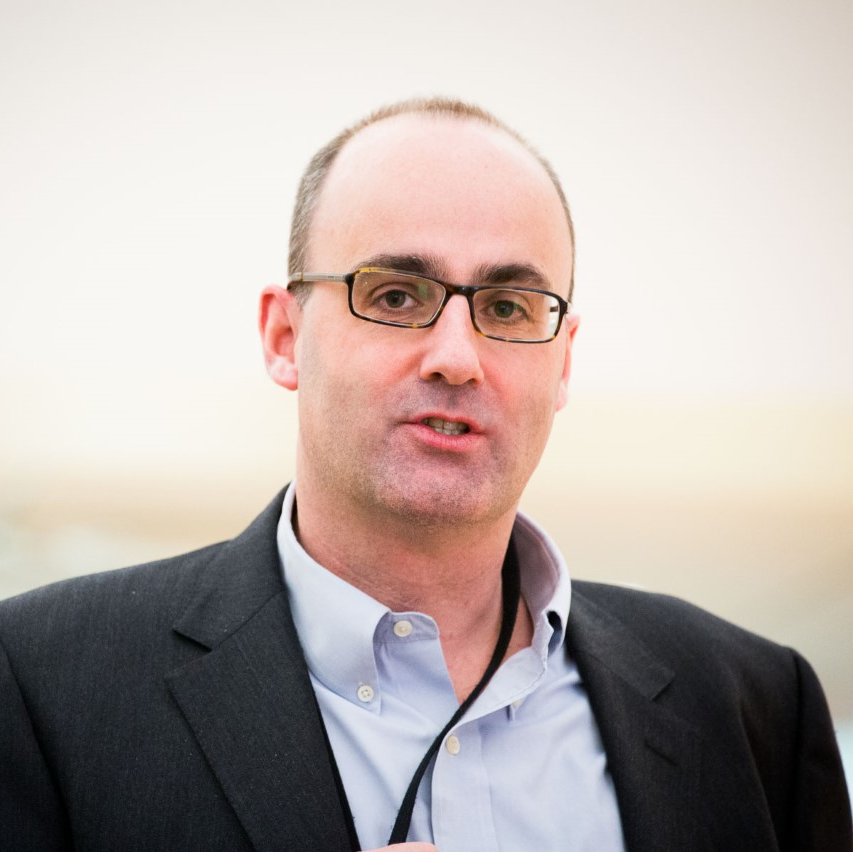
Huw Morris
Huw Morris
Huw is Professor of Clinical Neuroscience at UCL Institute of Neurology, and Honorary Consultant Neurologist at the Royal Free Hospital and the National Hospital, Queen Square. He works on Neurogenetics, Movement disorders and dementia through the analysis of families and clinical cohorts. He is a co-chief investigator on the study.
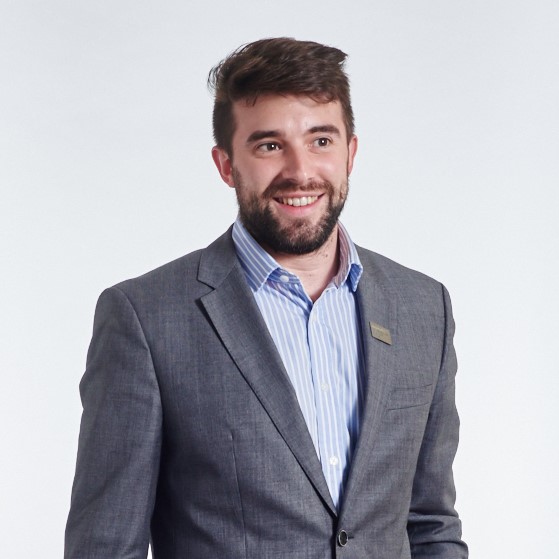
Alastair Noyce
Alastair Noyce
Alastair is a Reader in Neurology and Neuroepidemiology and a Consultant Neurologist at Barts Health NHS Trust. His main research interests are the early identification, and environmental and genetic risk factors for Parkinson’s disease. He is co-principal investigator at QMUL on the PREDICT-PD study. Away from work, he enjoys spending time with his family, as well as running and skiing.
Eli Silber
Eli Silber
Eli is a neurology consultant at Kings' College Hospital and Queen Elizabeth Hospital, where he is clinical lead. He is an Honorary Senior Lecturer at Kings College London and an MS specialist.
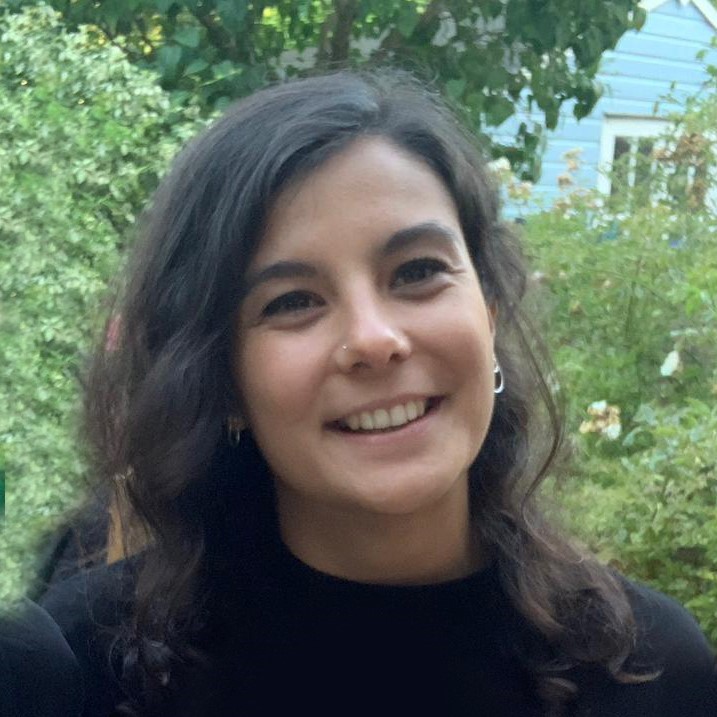
Anneesa Amjad
Anneesa Amjad
Annee works in the research team at the MS Society and is helping to run the Steering Group for the project. The Steering Group are supporting the ADAMS researchers to design, run and share the study, ensuring it is relevant and meaningful to people affected by MS from diverse backgrounds.
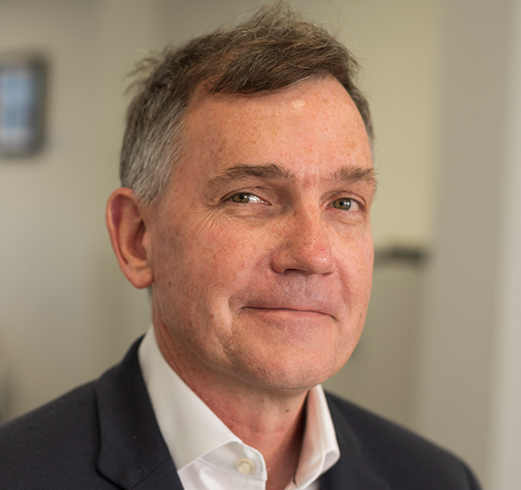
Gavin Giovannoni
Gavin Giovannoni
Gavin is a Professor of Neurology at Barts and The London School of Medicine and Dentistry, Queen Mary University of London. As co-director of the Preventive Neurology Unit, Wolfson Institute of Preventive Medicine, one of his current research interests is preventing MS.


What is the ADAMS Study?

We are carrying out a study to understand how genes influence the risk of Multiple Sclerosis (MS) in people from different ancestral backgrounds. If you choose to take part, we will ask for three things:

  1. Online questionnaire – a short survey about you, your MS diagnosis, and your ancestry.
  2. Saliva sample for genetic testing – we send you a saliva kit in the post. You simply spit into the tube and send it back to us. We then extract and analyse the DNA in our laboratory.
  3. Access to medical records – with your permission, we will review information about your MS diagnosis, treatments, and how your MS has affected you over time.

You can participate entirely from home. The questionnaire is completed online through the website, and the saliva kit is sent and returned by post.

We will analyse participants’ DNA to understand whether genetic risk factors for MS differ depending on ancestral background.

All of your information will be stored securely and handled in accordance with strict privacy and data protection regulations. We will not share any identifiable information with commercial third parties. However, anonymised research data may be shared with other scientists to help advance MS research worldwide.

If you would like to learn more about the study, please explore the rest of the website or contact the research team by email.

WHO FUNDS US?